Intro:
Group discussions can be a powerful tool for learning — when they’re done right. In many training sessions, however, discussions fall flat, get off-topic, or fail to engage all participants. Facilitating meaningful, focused, and inclusive discussions requires more than just asking open-ended questions. It involves structure, timing, group dynamics, and a well-prepared facilitator. This article explores how to lead group discussions that truly support your learning objectives.
Why Group Discussions Matter in Training
Group discussions allow participants to:
- Reflect on new ideas through dialogue
- Hear multiple perspectives
- Apply knowledge in real-time
- Strengthen communication and critical thinking skills
When managed effectively, discussions also build trust and collaboration — essential elements for any team or learning group.
Preparing for the Discussion
Before you even start the session, good preparation is key:
- Set clear objectives:
Define what the discussion should achieve. Are you helping learners reflect on a case study? Solve a real-world problem? Share personal experiences? - Prepare guiding questions:
Use open-ended questions that provoke thought, not just recall.
Example: “What do you think are the biggest challenges when giving feedback to peers?” - Choose the right format:
- Small group breakouts for deeper engagement
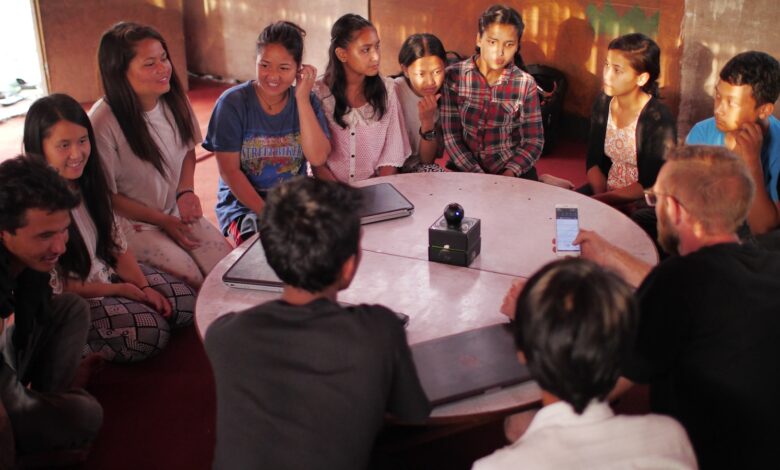
- Roundtable discussions for inclusive sharing
- Fishbowl setups for observing and rotating speakers
- Designate roles (optional):
Assign a note-taker, timekeeper, or group reporter for structure and accountability.
Facilitation Techniques for Success
- Set ground rules:
At the beginning, agree on norms like:
- One person speaks at a time
- Respect all viewpoints
- Stay on topic
This helps create psychological safety and prevents dominant voices from taking over.
- Use active listening cues:
Rephrase what participants say to show you’re listening.
E.g., “So what you’re saying is that clear expectations improve feedback outcomes?” - Balance participation:
If someone is quiet, invite them in without pressure.
Try: “I’d love to hear your view on this, Alex.”
If someone is dominating, steer the flow:
“Let’s hear from a few others before we circle back.”
- Keep it moving:
If the conversation stalls, ask a follow-up or pivot:
“What’s another example that contrasts with this point?” - Summarize and bridge:
After each major point or topic shift, summarize the key insights and connect them to the learning goal.
Common Pitfalls and How to Avoid Them
❌ Off-topic tangents:
✔ Solution: Gently steer back with: “That’s interesting — let’s park that idea and focus back on…”
❌ Silence or disengagement:
✔ Solution: Use smaller groups, or ask reflective questions to warm them up.
❌ Groupthink (lack of diversity of views):
✔ Solution: Use devil’s advocate questions like: “What might someone with a different background say here?”
❌ Dominant voices:
✔ Solution: Use tools like talking tokens or timed turns.
Using Tools and Technology to Enhance Discussions
In virtual or hybrid settings, consider:
- Breakout rooms for small group chats
- Digital whiteboards (e.g., Miro or Jamboard) for mapping ideas
- Live polling tools to get quick feedback
- Chat functions to engage quieter participants
Post-Discussion Reflection
Wrap up the discussion with:
- A summary of key takeaways
- Open space for questions
- A personal reflection prompt
Example: “What’s one insight you’re taking away from today’s discussion?”
Encourage learners to document their thoughts — this reinforces learning and personal accountability.
Conclusion:
Facilitating group discussions isn’t just about asking questions — it’s about guiding people toward shared understanding while creating space for diverse perspectives. With thoughtful planning, real-time adaptability, and inclusive practices, trainers can turn discussions into some of the most valuable moments in any session.
Call to Action:
Want to enhance your facilitation skills even further? Browse more practical training strategies on TrainersLibrary.org and keep building your impact as an educator.